Compassionate Senior Living Communities in Charlotte
Superior Memory Support Services: Why They Are Important for Households
Quality memory care services function as an essential role for families confronting the complexities of dementia. These initiatives offer tailored support that handles both the reference needs of residents and their caregivers. By facilitating safety, comfort, and personal ties, quality care assists in diminish social withdrawal. However, not all senior living communities are identical. Recognizing what to copyrightine can greatly determine the quality of life of those affected. What principal features should groups prioritize?
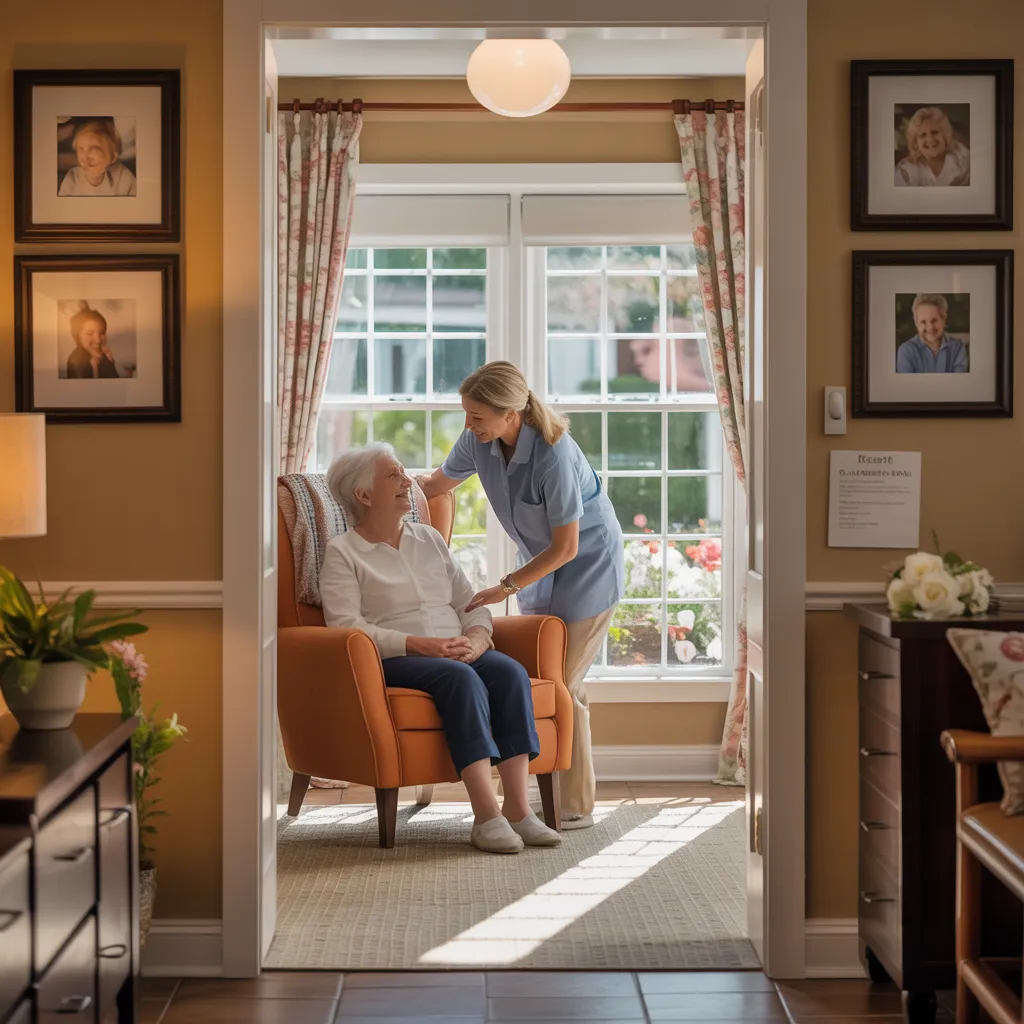
Dementia: Complications and Fixes
Dementia generates a complex array of obstacles for individuals, loved ones, and caregivers in equal measure. The cognitive decline connected to dementia affects memory, reasoning, and daily functioning, complicating routine tasks and boosting reliance on others. Families regularly grapple with the emotional toll of witnessing their loved ones' deterioration, resulting in sense of helplessness and frustration. Caregivers face the burden of managing physical care while navigating the unpredictable behaviors associated with the condition.
To address these obstacles, quality memory care services provide structured environments designed to enhance the quality of life for individuals with dementia. Such programs typically include expert instruction for personnel, customized engagement activities, and therapeutic interventions intended at maintaining cognitive function. Furthermore, these establishments provide relief for families, enabling them to recharge while ensuring their loved ones get suitable support. In the end, effective solutions can considerably alleviate the challenges related to dementia, fostering a caring environment for all involved.
Emotional Help for Household Units
Looking after a family member with mental deterioration can have a major emotional impact on families. The pressure of daily caregiving responsibilities often leads to feelings of isolation, anxiety, and grief. Relatives may struggle with the slow deterioration of their loved one's personality, producing a profound sense of sadness. This emotional burden can impact not only the primary caregiver but also siblings and extended family, causing strained relationships and increased tension.
Attaining emotional support is crucial for families navigating through these adversities. Support groups, therapeutic support, and local resources can offer an outlet for sharing encounters and employing coping strategies. Engaging with people who understand matching challenges generates a feeling of inclusion and reduces feelings of isolation. Ultimately, valuing emotional well-being is necessary for families, as it empowers them to provide compassionate care while also maintaining their own mental health.
The Benefits of Expert Brain Health Care
Specialized cognitive support plays an essential role in enhancing the quality of life for people facing mental deterioration. These programs are designed to address the unique needs of residents with conditions such as Alzheimer's or other forms of dementia. Skilled staff members understand the complexities of cognitive impairments and apply customized approaches that encourage engagement and comfort.
In a specialized environment, residents gain organized schedules that help alleviate anxiety and disorientation. Activities are specifically designed to enhance cognitive function and foster social interaction, fostering a sense of community. Additionally, the emphasis on safety and security assures that individuals can explore their surroundings without avoidable risks.
Families often discover comfort knowing their loved ones are receiving dedicated care in a supportive atmosphere. Overall, expert cognitive care not only addresses physical needs but also nurtures emotional well-being, making it a crucial component of care for those experiencing cognitive decline.
Essential Characteristics to Evaluate in Dementia Care Centers
When copyrightining memory care facilities, what essential features should relatives emphasize? Principally, security standards are vital. Facilities should offer protected areas that prevent wandering, with features like secured yard areas and monitored entry points. Moreover, staff-to-resident ratios are essential; superior ratios often indicate more tailored attention and care.
Afterward, families should review the qualifications and training of caregivers. Staff should be trained in cognitive decline management, making sure they understand the particular demands of residents. Events and programs designed to stimulate mental performance and social interaction also represent a significant factor, as they enhance life satisfaction.
In addition, loved ones should assess the facility's cleanliness and general feel. A welcoming environment can greatly enhance residents' well-being. Finally, clarity regarding expenses and services offered is critical, giving relatives to make well-informed choices. By focusing on these core elements, relatives can select the best memory care facility for their family members.
How Quality Memory Care Enhances Self-respect and Well-being
Excellent cognitive care offerings emphasize honor and comfort through personalized techniques that satisfy distinct requirements. Customized care plans, accompanied by devoted staff relationships, establish a supportive setting for inhabitants. Moreover, secure and engaging environments encourage a sense of community and health, boosting the total quality of life.
Tailored Personal Wellness Strategies
Personalized care plans have an essential role in enhancing the dignity and comfort of individuals in memory care facilities. These bespoke approaches consider each resident's unique history, preferences, and cognitive abilities, ensuring that care is both effective and respectful. By including families in crafting these plans, facilities nurture a collaborative environment that emphasizes the individual’s needs and wishes. This customization strengthens the sense of identity and autonomy, allowing residents to take part in activities that connect with their past experiences. Additionally, personalized care plans may change over time in response to evolving needs and preferences. Such respect for individuality greatly boosts quality of life, supporting emotional well-being and a sense of belonging within the care community.
Compassionate Staff Interaction
Effective memory care depends on not only customized care strategies but also on the compassionate interactions between staff and residents. Such interactions create an atmosphere of trust, essential for people facing the challenges of memory loss. Empathetic caregivers approach each resident with empathy, acknowledging their unique histories and emotional needs. By engaging in meaningful conversations and demonstrating calmness, these caregivers enhance the respect of each individual, ensuring they feel appreciated and understood. This approach not only alleviates anxiety but also encourages a sense of belonging, crucial for emotional well-being. Ultimately, quality memory care thrives when staff prioritize compassionate engagement, changing care from a routine task into a caring experience that focuses on comfort and respect.
Trustworthy, Fascinating Atmospheres
Creating a safe and stimulating environment is essential for improving respect and comfort in memory care settings. Quality memory care centers prioritize safe surroundings, minimizing risks associated with wandering or accidents. Thoughtfully designed spaces promote independence, allowing residents to move freely while feeling protected. Engaging activities, tailored to individual interests, boost cognitive function and foster social connections among residents. Such environments encourage participation, lessening feelings of isolation and improving overall well-being. Additionally, the atmosphere should reflect warmth and familiarity, incorporating personal touches that resonate with each resident’s history. By integrating safety with engagement, memory care services not only maintain the dignity of individuals but also provide a comforting haven where they can thrive amidst their challenges.
How Local Assistance Makes a Difference in Memory Care
Community backing plays an essential role in upgrading memory care services by fostering emotional connections and bonding among individuals. Access to resources within the community can greatly improve the quality of care, offering important implements and information. Additionally, enhanced social engagement occasions contribute to the overall well-being of those affected by memory obstacles.
Feelings Bond and Closeness
Emotional connections act as a key element in memory care, creating an environment where individuals are made to feel valued and understood. Within memory care environments, community support encourages meaningful bonds among residents, caregivers, and families. These ties not only boost emotional well-being but also foster a sense of belonging. When caregivers interact empathetically with residents, they establish a safe space for sharing feelings and experiences, which helps to reduce feelings of isolation. Furthermore, group activities and social interactions encourage residents to connect with each other, strengthening their sense of identity and purpose. This emotional foundation significantly influences the overall quality of care, as individuals thrive when they feel connected, ultimately resulting in improved cognitive function and a better quality of life.
Getting Entry to Resources
Access to resources serves a fundamental role in strengthening memory care services, relying on the strong emotional connections established among residents and caregivers. Community support provides necessary tools and information that empower families to make informed decisions about care options. Local organizations often offer educational workshops, respite services, and support groups, which can ease the burden on caregivers and expand their understanding of dementia-related challenges. Access to trained professionals, such as social workers and therapists, additionally improves the care experience. Moreover, collaboration with nearby healthcare facilities ensures that residents receive thorough and coordinated care. Overall, a robust network of community resources cultivates a supportive environment that markedly enhances the quality of life for individuals with memory impairments and their families.
Elevated Community Engagement
How can increased community connection revolutionize the journeys of individuals with memory disorders? Interacting socially within a supportive community offers emotional and cognitive benefits that are essential for those facing memory complications. Participation in collective activities fosters connections, alleviating sentiments of alienation and melancholy. These communications stimulate mental capacity, sustaining existing proficiencies and arguably reducing cognitive decline. Additionally, social reinforcement inspires a sense of belonging, which can greatly improve mood and overall well-being. Dementia care communities that prioritize interactive involvement fashion spaces where people can build significant connections, enriching quality of life. This communal approach not only benefits residents but also provides families with sense of security, recognizing their loved ones are thriving in a warm setting.
Sustained Benefits of Excellent Memory Care
While many families may initially seek memory care services primarily for immediate support, the long-term advantages of quality memory care extend far beyond short-term relief. These services not only provide essential daily assistance but also create a structured environment that promotes cognitive engagement and emotional well-being. Through tailored activities and therapeutic interventions, residents can experience improvements in memory retention and overall mental health.
Furthermore, superior memory care fosters a feeling of belonging, reducing loneliness and worry often linked to memory disorders. This caring environment helps families by reducing tension and offering reassurance, knowing their loved ones are in competent care. Moreover, trained professionals can offer ongoing guidance, helping families navigate the complexities of dementia care. Ultimately, investing in quality memory care services yields significant returns, improving the quality of life for both individuals with memory impairments and their families over the long term.
Frequently Asked Questions
In What Manner Can I Identify Early Manifestations of Memory Difficulties?
Early indicators of memory difficulties can include regular memory lapses, trouble keeping up with discussions, misplacing items, struggling to recall recent events, and shifts in emotional state or conduct. Noticing these warning signs may warrant a professional evaluation for additional review.
What Expenses Are Linked to Memory Care Services?
Fees connected to memory care services range widely, typically from $3,000 to $7,000 monthly. Considerations affecting pricing include location, facility amenities, and the level of personalized care required of each individual.
What's the Best Way to Pick a Memory Care Community?
Finding the suitable memory care facility necessitates investigating options, seeing different facilities, copyrightining staff expertise, checking safety protocols, evaluating patient engagement, and valuing family feedback, ensuring the facility addresses the individual's particular needs and preferences.
What Involvement Do Caregivers Demonstrate in Cognitive Support?
Caregivers extend important assistance in memory care by providing emotional support, assisting with daily routines, and creating personalized care plans. Their training and caring nature greatly boost the well-being for individuals with memory impairments.
Are Memory Care Services Equipped for Different Stages of Dementia?
Dementia care options can successfully meet varying levels of dementia by personalizing interventions and care to individual needs. This adaptability assures residents receive appropriate care, enhancing their quality of life throughout the advancement of the condition.
|Dementia and Alzheimer's Support: Personalized Memory Care Assistance
Memory care services serve a vital role in supporting individuals with Alzheimer's and dementia. These dedicated services concentrate on enhancing quality of life through customized treatment approaches and trained staff. They create safe environments that encourage cognitive engagement and social interaction. Understanding the essential features of these services can help families navigate the complexities of care. What specific elements contribute to their effectiveness, and how can families best engage in this journey?
Understanding Memory Care Services and Their Advantages for Families
How can memory care programs precisely assist families facing the obstacles of cognitive decline, and what constitute they? Memory care services are tailored services developed to help individuals with Alzheimer's disease, dementia, and other mental health disorders. These services provide a organized space customized to address the particular requirements of residents, fostering safety, engagement, and dignity.
Families often face emotional and practical challenges when caring for loved ones dealing with memory loss. Memory care facilities offer assistance through qualified professionals who understand the complexities of these conditions. This includes developing personalized care plans, ensuring medication management, and facilitating social interactions.
The setting in dementia care facilities is specifically designed to minimize disorientation and promote independence, enabling residents to engage in purposeful pursuits. By offering respite for caregivers, dementia care programs enable families to concentrate on their well-being while knowing their family members are in a safe, supportive environment.
Primary Features of Effective Memory Care Services
Successful memory care initiatives incorporate several vital components that enhance the living standards for residents. First, individualized care plans are critical, as they handle each resident's unique needs, preferences, and challenges. These plans are continuously adjusted to reflect any changes in condition. Additionally, trained staff members provide specialized support, ensuring that caregivers understand the complexities of Alzheimer's and dementia.
Moreover, participating in activities designed to improve intellectual abilities and advance social interaction hold great significance. Programs usually provide memory drills, arts and crafts, and music therapy, building a sense of community for participants. Protected and secure settings are also important, enabling residents to move about with confidence while reducing the potential for accidents.
Ultimately, family involvement is encouraged, creating a supportive network that enables residents to feel part of a group. Together, these features support a thorough approach that prioritizes personal respect, physical comfort, and quality of life.
In What Ways Do Memory Care Spaces Encourage Security and Comfort?
Memory care environments are created with numerous safety features that significantly improve residents' comfort and well-being. These facilities generally incorporate protected floor plans that reduce confusion and wandering, ensuring that residents can navigate without the danger of getting lost. Non-skid surfaces, handrails, and brightly illuminated common areas further contribute to a safe atmosphere.
Additionally, dementia care settings often use calming colors and recognizable furnishings to create a soothing ambiance. This thoughtful design decreases anxiety and promotes a feeling of community. Outside areas are also integral, offering individuals with connection with the outdoors, which has been proven to improve mood and general wellness.
Emergency assistance frameworks and staff trained in safety protocols ensure that help is promptly accessible when needed. By focusing on these elements, memory care environments highlight the safety and comfort of residents, permitting them to thrive in a supportive setting tailored to their unique needs.
The Way Experienced Professionals Create a Impact in Memory Care
While the environment plays an essential role in memory care, the capabilities and warmth of trained staff are comparably crucial to enhancing residents' quality of life. Certified experts appreciate the complexities of Alzheimer's and dementia, employing particular methods to dialogue effectively with residents. Their ability to perceive individual needs supports personalized care, nurturing a feeling of assurance and trust.
Moreover, staff members are equipped to handle difficult conduct, using patience and empathy to reduce potential crises. They create stimulating programs tailored to individual preferences, promoting mental engagement and social interaction. Ongoing education guarantees that employees remain updated on proven methods and modern techniques in dementia support.
This information not only boosts the mental health of occupants but also offers loved ones with trust in the assistance their close relations get. Finally, the dedication and expertise of trained staff produce a substantial influence on the overall experience of persons coping with memory disorders.
Involving Family Members in Memory Care: Optimal Practices
Involving family members into cognitive support services is essential for improving the well-being of people facing cognitive impairments. Skilled communication strategies and systematic family participation activities can strengthen these relationships, promoting a compassionate setting. By prioritizing family participation, care providers can more adequately address the individual requirements of each person.
Strong Exchange Systems
Effective communication strategies play a crucial role in improving the standard of support for people with memory impairments. Clear, simple language is essential; caregivers and family members should speak slowly and use known vocabulary to prevent misunderstanding. Body language signals, such as physical movements and expressions, can significantly enhance understanding and foster emotional connections. Engaged attention is vital; caregivers should provide complete focus, validating feelings and responding thoughtfully. Additionally, maintaining a serene and tolerant manner helps establish a supportive environment. Uniformity in daily practices and interaction methods also benefits people with memory issues, as it strengthens familiarity. Overall, these strategies not only improve interactions but also deepen connections, ensuring that individuals feel valued and understood throughout their treatment experience.
Family Interaction Activities
The involvement of family is essential in memory care, as it significantly enhances the well-being of individuals facing cognitive challenges. Encouraging family members to join in activities builds emotional connections and establishes a supportive environment. Best practices involve organizing regular family visits that allow meaningful interactions, such as sharing stories or taking part in therapeutic games. Additionally, family members may be included in care planning, ensuring their loved ones’ histories and preferences are respected. Educational workshops also enable families with knowledge about Alzheimer’s and dementia, equipping them to better support their loved ones. Ultimately, consistent family participation not only improves care quality but also reinforces relationships, fostering a sense of belonging for those in memory care environments.
Types of Cognitive Support Solutions Offered
Multiple care alternatives for memory are offered to satisfy the individual requirements of individuals dealing with cognitive challenges. These solutions stretch from focused care facilities to in-home care services. Memory care facilities deliver a protected space with experienced staff to support residents in daily activities, enhance socialization, and involve them in therapeutic memory programs.
Residential care services permit individuals to get personalized support in comfortable settings, supplying social interaction and assistance with daily tasks while maintaining self-reliance.
Adult day programs serve as a temporary solution, providing structured activities and interpersonal engagement throughout the day for those who require supervision.
In addition, respite care offers brief respite for family caregivers, making certain their loved ones receive professional care while caregivers take time off.
Each option caters to varying levels of need, making sure that those afflicted with Alzheimer's and dementia obtain the proper care tailored to their unique circumstances.
Cost Planning for Memory Support Programs
Individuals and families navigate the intricacies of dementia care options, with monetary factors becoming a fundamental aspect of the process of making decisions. The costs related to memory care can vary considerably, based on elements such as the level of care required, facility location, and offered amenities. Monthly fees for memory care facilities often range from several thousand to over ten thousand dollars.
Families need to consider insurance options, including long-term care insurance, Medicare, and Medicaid, as these can shape out-of-pocket expenses. Additionally, identifying potential hidden costs—such as therapy services or specialized activities—is necessary.
Creating a financial plan for advancing care necessities is essential, as the progression of Alzheimer's or dementia may require amplified levels of backing. Considering financial assistance programs and local resources can also provide assistance. Ultimately, a exhaustive budgeting approach ensures that families can maintain the quality of care their loved ones deserve.
Frequently Asked Questions
What Is the Typical Period of a Memory Care Program?
Memory care programs typically continue for different lengths of time, often extending from several months to years, determined by individual needs, the severity of cognitive decline, and the particular objectives defined by caregivers and healthcare professionals.
What's the Right Approach to Find a Right Alzheimer's Care Facility for My Dear Family Member?
Picking the right memory care facility necessitates investigating options, checking out properties, copyrightining caregiver experience, reviewing safety measures, exploring activity offerings, and considering the facility's environment to guarantee it aligns with the loved one's needs.
Can Medicare or Insurance Help with Memory Care Services Expenses?
Memory care programs may be partially paid for by Medicare, typically for short-term stays. However, long-term care often demands private insurance or direct expenses, leading families to investigate various options for financial assistance.
Which Services Are Provided in Memory Care Programs?
Memory care offerings typically deliver activities such as art therapy, music sessions, exercise classes, cognitive games, gardening, and social events. These experiences work to enhance residents' cognitive functions, promote social interaction, and elevate overall well-being.
How Do I Communicate Effectively With Someone Who Has Alzheimer's or Dementia?
Meaningful exchange with someone living with Alzheimer's or dementia demands applying plain speech, maintaining eye contact, articulating copyright slowly, and staying patient. Unspoken signals, including gestures and facial expressions, can enhance understanding and mutual understanding.
|Improving Quality of Life Through Specialized Memory Care Services
Specialized memory care services attend to the unique needs of individuals facing cognitive challenges. These services emphasize personalized care plans and engaging activities designed to boost emotional well-being. Structured environments serve an important role in encouraging security and independence. Families also benefit from support in the care process. Understanding how these components interconnect can provide meaningful insights into improving quality of life for residents and their loved ones. What are the key components of effective memory care?
Key Insights About Brain Health Services You Need to Know
What considerations should one contemplate when exploring memory care programs? First, it is crucial to evaluate the level of care needed based on the person's unique circumstances, including their cognitive abilities and daily living skills. The environment of the facility plays a significant role; a safe, secure, and engaging atmosphere can significantly improve the quality of life for residents. Staff credentials and training are also important, as specialized training in dementia care guarantees that caregivers are equipped to handle challenging behaviors with compassion. Additionally, it is vital to review the facility's strategy for programming and community involvement, which can create feelings of connection and inclusion. Finally, family involvement and support services should be assessed, as they support the general health and happiness of both residents and their families. By carefully weighing these factors, families can make informed decisions regarding memory care services.
Why Customized Care Plans Are Important in Memory Care
Individualized care plans are crucial in memory care, as they address the unique requirements and desires of all residents. These programs are adapted to account for individual histories, cognitive abilities, and psychological health. By assessing each resident's abilities and difficulties, care providers can establish strategies that promote dignity and independence while maintaining security and ease.
Implementing personalized care plans cultivates a sense of belonging and improves overall quality of life. Residents feel valued when their choices about everyday schedules, recreational pursuits, and interpersonal connections are recognized. Additionally, these approaches enable strong dialogue between care providers and loved ones, ensuring everyone is united in backing the resident's journey.
Ongoing assessments of these plans facilitate adjustments based on changing circumstances, enhancing a dynamic care approach. Ultimately, personalized care plans provide a basis for thoughtful, accomplished memory care, delivering improved outcomes and a better living experience for residents.
Compelling Programs for Memory Care
Interactive activities represent an crucial dimension in memory care, enabling mental enrichment and social interaction. These pursuits are structured to strengthen cognitive performance while deepening connections among residents. By embedding specialized activities, memory care facilities can create a supportive environment that addresses both mental and feeling-based needs.
Cognitive Enhancement Activities
Activities for cognitive stimulation play a crucial role in enhancing the quality of life for people in memory care. These activities, intended to engage the mind, encompass puzzles, memory games, and problem-solving challenges that aid cognitive function. By involving themselves in these exercises, residents can strengthen their memory, attention, and overall mental agility. Such activities provide mental engagement and promote a feeling of accomplishment and purpose. Additionally, individualized cognitive stimulation can be adapted to personal preferences and abilities, making sure each person stays actively involved. In conclusion, these activities are important for maintaining cognitive health and cultivating a positive atmosphere within memory care settings. Through continual engagement, individuals can attain improved mood and a stronger sense of well-being.
Social Participation Openings
Connection is an essential aspect for people in memory care, as social engagement opportunities greatly improve their overall well-being. Activities planned to encourage socializing, including group games, art classes, and community outings, foster relationships among residents. These engagements not only provide pleasure but also stimulate cognitive functioning and emotional health. Regular involvement in social activities encourages communication and reduces feelings of isolation, which are frequent in memory care settings. In addition, structured social environments allow caregivers to monitor interactions, customizing support to individual needs. By promoting a sense of belonging and community, social engagement has a critical role in enhancing the quality of life for those living with memory challenges, upholding their dignity and self-worth.
Creating Supportive Spaces in Cognitive Care
Creating caring spaces in memory care is vital, as these spaces significantly impact residents' well-being and quality of life. Such environments are defined by coziness, safety, and individualization, which help residents feel secure and appreciated. Well-planned layouts encourage mobility and reachability, lowering confusion and enhancing comfort.
Colors, illumination, and recognizable décor are essential in building calming atmospheres that evoke pleasant recollections. Outdoor spaces including gardens and walking paths create possibilities for relaxation and connection with nature, additionally enhancing the experience.
Staff development in understanding and interaction encourages purposeful exchanges, allowing caregivers to better grasp and react to residents' needs. In addition, organized routines deliver a state of security, assisting in minimizing stress. Together, these elements support a comprehensive framework that addresses not only the mental obstacles associated with cognitive decline yet also encourages social and emotional wellness, enabling residents to thrive.
Memory Care Facilities: Aiding Families
Memory care facilities play a essential role in supporting families by providing psychological assistance and practical resources. They offer educational workshops that equip families with the knowledge required to navigate the complexities of cognitive disorders. This comprehensive strategy fosters a stronger connection between families and their loved ones in care.
Emotional Care For Families
Many households facing the trials of a loved one with memory impairment find solace in the emotional support provided by specialized memory care facilities. These facilities often offer caring personnel trained to understand the unique struggles families endure. Regular support groups enable families to connect with others in similar situations, fostering a sense of togetherness and shared experience. Additionally, individualized counseling sessions can address specific emotional needs, helping families navigate feelings of responsibility, grief, and exasperation. Memory care facilities also provide resources that encourage open communication among family members, promoting improved interactions. This emotional support not only aids families in coping but also enhances the quality of care their loved ones receive, creating a more positive environment for all involved.
Educational Resources And Workshops
Numerous memory care facilities provide important learning tools and seminars designed to empower families navigating the challenges of memory impairment. These offerings often address vital information, including the phases of memory disease, communication strategies, and support methods. By delivering expert-led sessions and interactive discussions, facilities enable families cultivate a more thorough grasp of their family members' circumstances.
Moreover, resources such as informational pamphlets and online courses complement in-person workshops, ensuring families have access to critical knowledge at their comfort. Community support networks may also be merged, strengthening community connections among family support providers. Ultimately, these educational initiatives not only enhance caregivers' skills but also support psychological well-being, allowing families to face challenges with higher confidence and compassion.
Authentic Achievement Narratives From Memory Care Facilities
Success accounts from memory care centers demonstrate the profound effect tailored assistance can have on people facing cognitive challenges. One patient, Mrs. Thompson, underwent notable progress after engaging in personalized art therapy sessions. Initially withdrawn, she began to communicate herself artistically, leading to improved social interactions and emotional well-being.
One more success story concerns Mr. Garcia, who flourished in a consistent daily regimen crafted to strengthen memory durability. Through cognitive exercises and reminiscence therapy, he reestablished his knack for remembering cherished family moments, deepening relationships with loved ones.
Facilities incorporate technology-assisted activities, such as virtual reality experiences, which have enabled residents like Ms. Patel move through familiar environments, minimizing anxiety and confusion.
These concrete instances demonstrate how tailored memory care services not only boost life quality but also uplift individuals, enabling them to connect more deeply with their surroundings and communities.
Frequently Requested Questions
What Qualifications Do Staff Members Possess in Memory Care Centers?
Memory care facility staff members typically have professional qualifications including degrees in nursing, psychology, or social work, plus specialized training in dementia care, communication skills, and experience in addressing behavioral complications stemming from memory impairments.
How Is Drug Administration Managed in Memory Care?
Drug management in memory care facilities requires trained staff administering prescriptions, supervising dosages, and guaranteeing timely intake. Periodic evaluations are conducted to adjust medications as needed, prioritizing residents' safety and well-being throughout their care.
Are Memory Care Services Covered by Insurance?
Programs for memory issues may be partially funded by insurance, depending on the policy. Families should consult their insurance companies to understand particular coverage information, including any limitations or requirements for qualification regarding memory care establishments.
What Security Procedures Are Implemented for Residents?
Safety measures for residents commonly include secure environments, knowledgeable personnel, emergency response protocols, frequent safety checks, and observation systems. These solutions operate to prevent wandering and maintain a protective, compassionate environment for individuals with memory challenges.
Can Residents Participate in Outings Away From the Premises?
Yes, dwellers can participate in getaways removed from the facility. These sojourns are carefully planned to guarantee safety and enjoyment, facilitating subjects to engage with their surroundings while gaining the necessary support throughout the experience.
}